Science
Retro-fitting the shopping mall to support healthier communities
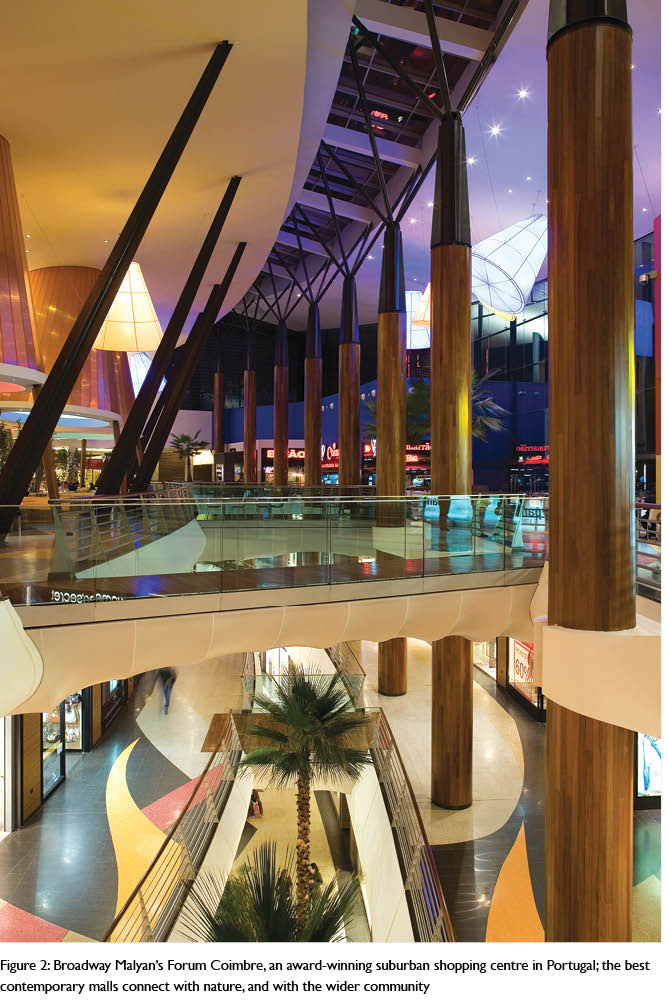 How can the US turn car-centric, run-down retail spaces into health-promoting environments? This study proposes turning them into mixed-use ‘villages’ that strengthen communities and are more friendly to walking and public transport How can the US turn car-centric, run-down retail spaces into health-promoting environments? This study proposes turning them into mixed-use ‘villages’ that strengthen communities and are more friendly to walking and public transport
Anthony R. Mawson, MA, DrPH, Jackson State University; Thomas M. Kersen, PhD, Jackson State University; Jassen Callender, MFA, Mississippi State University
During the post-war era of low gasoline prices and prosperity, suburbs and subdivisions have been constructed in formerly rural areas, usually far from workplaces and shopping facilities, accessible only by automobile. Public transportation has usually been insufficient, inefficient or lacking...
For the full article, click here
An economic assessment of healthcare capital investment
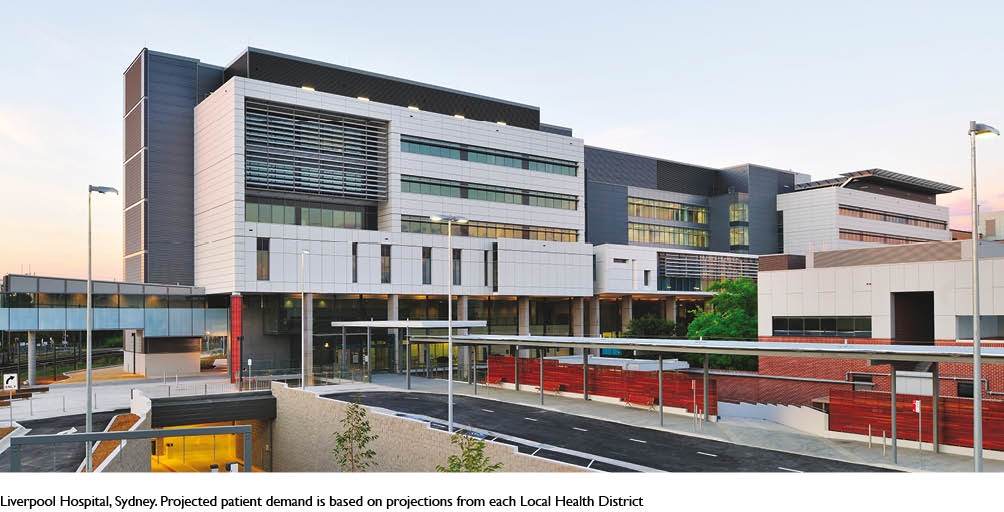 While the costs of health infrastructure investment proposals are relatively straightforward to quantify, the resulting health benefits are much harder to value. This paper describes New South Wales Health’s experience and the assessment method it uses to assess cost versus outcome While the costs of health infrastructure investment proposals are relatively straightforward to quantify, the resulting health benefits are much harder to value. This paper describes New South Wales Health’s experience and the assessment method it uses to assess cost versus outcome
Elsie Choy, Health Infrastructure, New South Wales
Health infrastructure is important in influencing the outcomes, quality and efficiency of the healthcare system. Decisions about public funding of health infrastructure require consideration of relative costs and benefits of options. In New South Wales (NSW), considerable efforts have been placed on benefits assessment in the economic appraisal of capital projects...
For the full article, click here
Post-occupancy evaluation: benchmarking for health facility evaluation tools
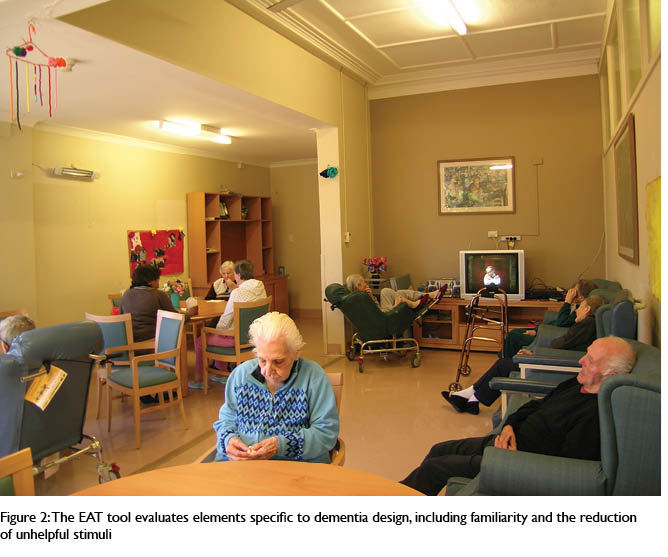 A shortage of post-occupancy evaluations means that planners and architects do not have access to accurate findings regarding healthcare buildings’ performance. This paper proposes an alternative evaluation method that is robust, informed and easily shared A shortage of post-occupancy evaluations means that planners and architects do not have access to accurate findings regarding healthcare buildings’ performance. This paper proposes an alternative evaluation method that is robust, informed and easily shared
Adjunct Professor Ian Forbes, University of Technology, Sydney
When people talk about the health and social care system in any country, it is usually with an understanding that this is the most complex and rapidly changing organisational environment one can imagine. Built environments that provide for these services are equally complex...
For the full article, click here
Gardens in healthcare facilities: steps towards evaluation and certification
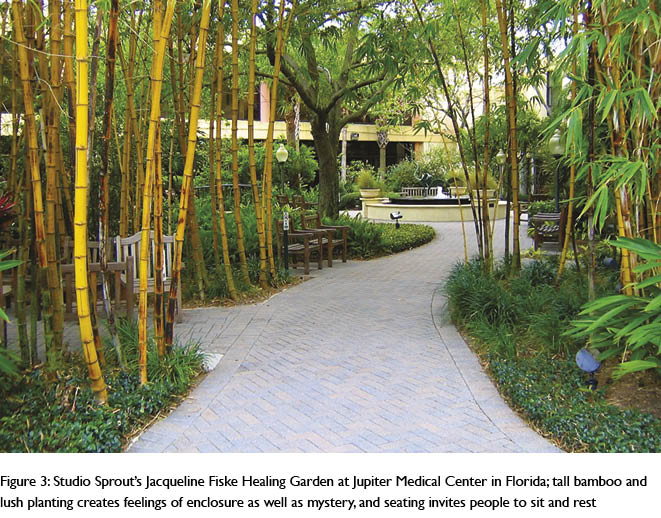 Restorative outdoor spaces are desirable in healthcare facilities, but there is no consistent approach to their definition or evaluation. This paper charts the move towards formalisation and certification Restorative outdoor spaces are desirable in healthcare facilities, but there is no consistent approach to their definition or evaluation. This paper charts the move towards formalisation and certification
Clare Cooper Marcus, Hon ASLA, MA, MCP, University of California, Berkeley, and Naomi Sachs, MLA, ASLA, EDAC, Texas A&M University
Landscapes that promote health and wellbeing, often referred to as ‘healing gardens’, are increasingly being incorporated into healthcare facilities throughout the world as an essential design component...
For the full article, click here
Walkable communities: Impacts on residents’ physical and social health
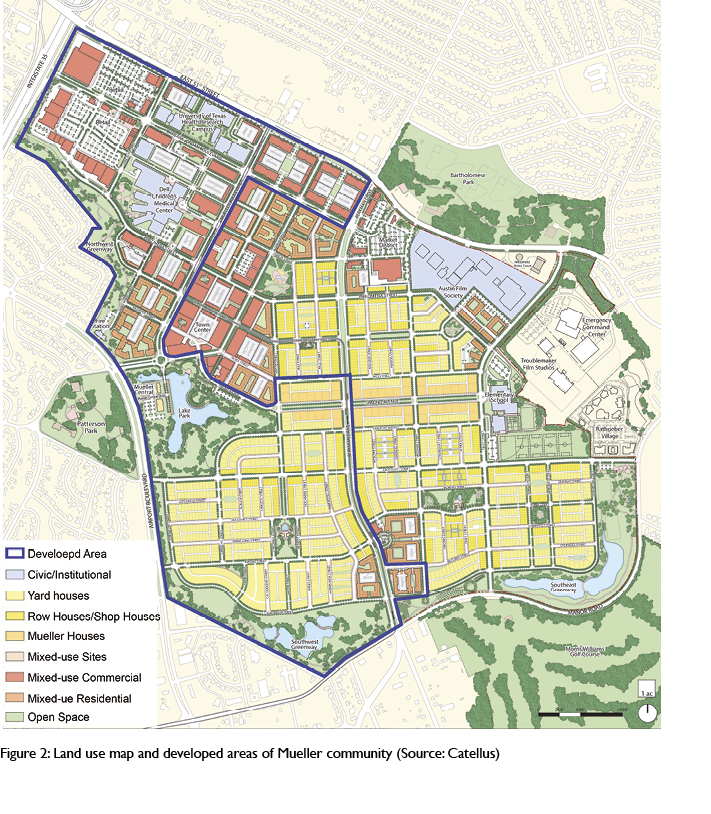 Researchers from Texas A&M University studied residents in a newly developed ‘walkable community’ in Austin, Texas to see how it changed their habits for physical activity and whether it increased social interaction and cohesion in the community Researchers from Texas A&M University studied residents in a newly developed ‘walkable community’ in Austin, Texas to see how it changed their habits for physical activity and whether it increased social interaction and cohesion in the community
Xuemei Zhu, Zhipeng Lu, Chia-Yuan Yu, Chanam Lee, George Mann at Texas A&M University
Living in a ‘healthy community’ is everyone’s dream. However, today’s communities have been increasingly designed around automobiles instead of pedestrians. Such auto-oriented communities have been questioned and criticised for their impacts on residents’ physical and social health.
For the full article, click here
Healthcare facility design, psychosocial wellbeing and health: A scientific approach to assess impact
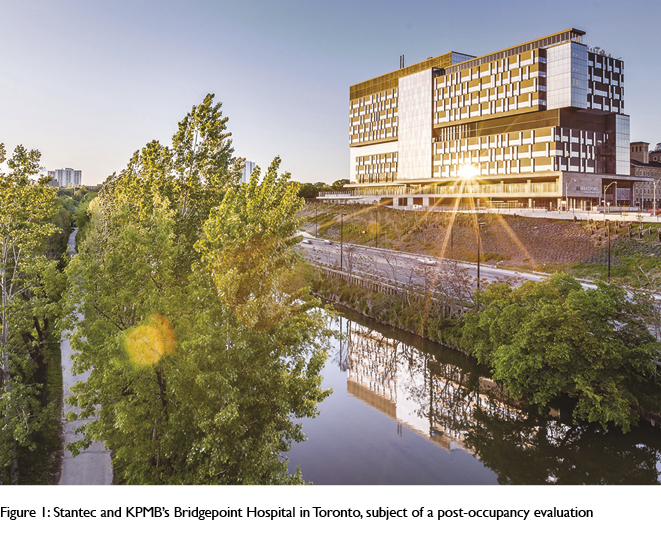 The opening of a continuing care and rehabilitation facility in Toronto offers an opportunity to undertake a systematic post-occupancy evaluation project – one that focuses on the interplay of mental, social and physical health rather than operational outcomes The opening of a continuing care and rehabilitation facility in Toronto offers an opportunity to undertake a systematic post-occupancy evaluation project – one that focuses on the interplay of mental, social and physical health rather than operational outcomes
Celeste Alvaro, PhD, Bridgepoint Collaboratory for Research and Innovation and Ryerson University, and Cheryl Atkinson, BArch, MRAIC, OAA, Ryerson University
Bridgepoint Hospital is a new 404-bed complex continuing care and rehabilitation facility with the largest cohort of complex continuing care and complex rehabilitation patients in east Toronto, Canada.
For the full article, click here
Robust hospitals in a changing climate
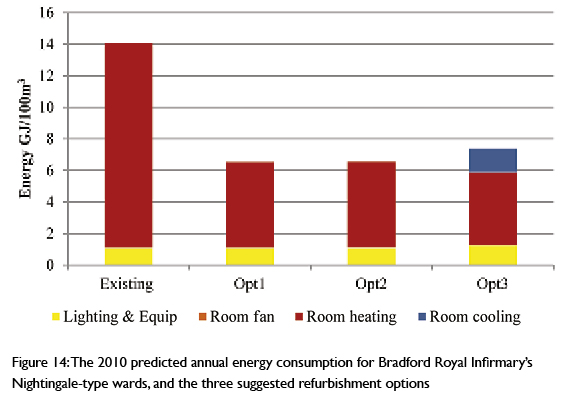 The Climate Change Act aims to cut 80% of the UK’s emissions by 2050 – a target it is hard to see being reached. A series of research projects, led by the University of Cambridge, explore how the NHS’s new and existing estate can make a serious contribution The Climate Change Act aims to cut 80% of the UK’s emissions by 2050 – a target it is hard to see being reached. A series of research projects, led by the University of Cambridge, explore how the NHS’s new and existing estate can make a serious contribution
C. Alan Short MA (Cantab) DipArch RIBA, University of Cambridge, Kevin Lomas BSc (Hons) PhD, University of Loughborough; Alistair Fair BA (Hons) MA PhD, University of Cambridge; Catherine Noakes BEng (Hons) PhD, University of Leeds; Giridharan Renganathan BArch MUrDgn PhD AIA (SL), University of Kent; Sura Al-Maiyah BSc MSc PhD, Portsmouth School of Architecture
The UK’s National Health Service (NHS) currently confronts a conundrum of global consequence: how can it deliver safe environments in a changing climate while at the same time dramatically reducing its carbon emissions?
For the full article, click here
Design characteristics of healthcare environments: the nurses' perspective
 This study aims to identify the most important characteristics of a work environment that fully support nurse health and performance, as expressed by nursing staff This study aims to identify the most important characteristics of a work environment that fully support nurse health and performance, as expressed by nursing staff
Rana Sagha Zadeh, Mardelle McCuskey Shepley, Laurie Waggener, and Laura Kennedy
By its very nature, nursing is a stressful profession. To succeed in the field, nurses must possess the technical skill to solve complex problems, the emotional strength to deal with sick patients, and the stamina to endure long, arduous shifts.1
For the full article, click here
The effect on mood of a 'living' work environment
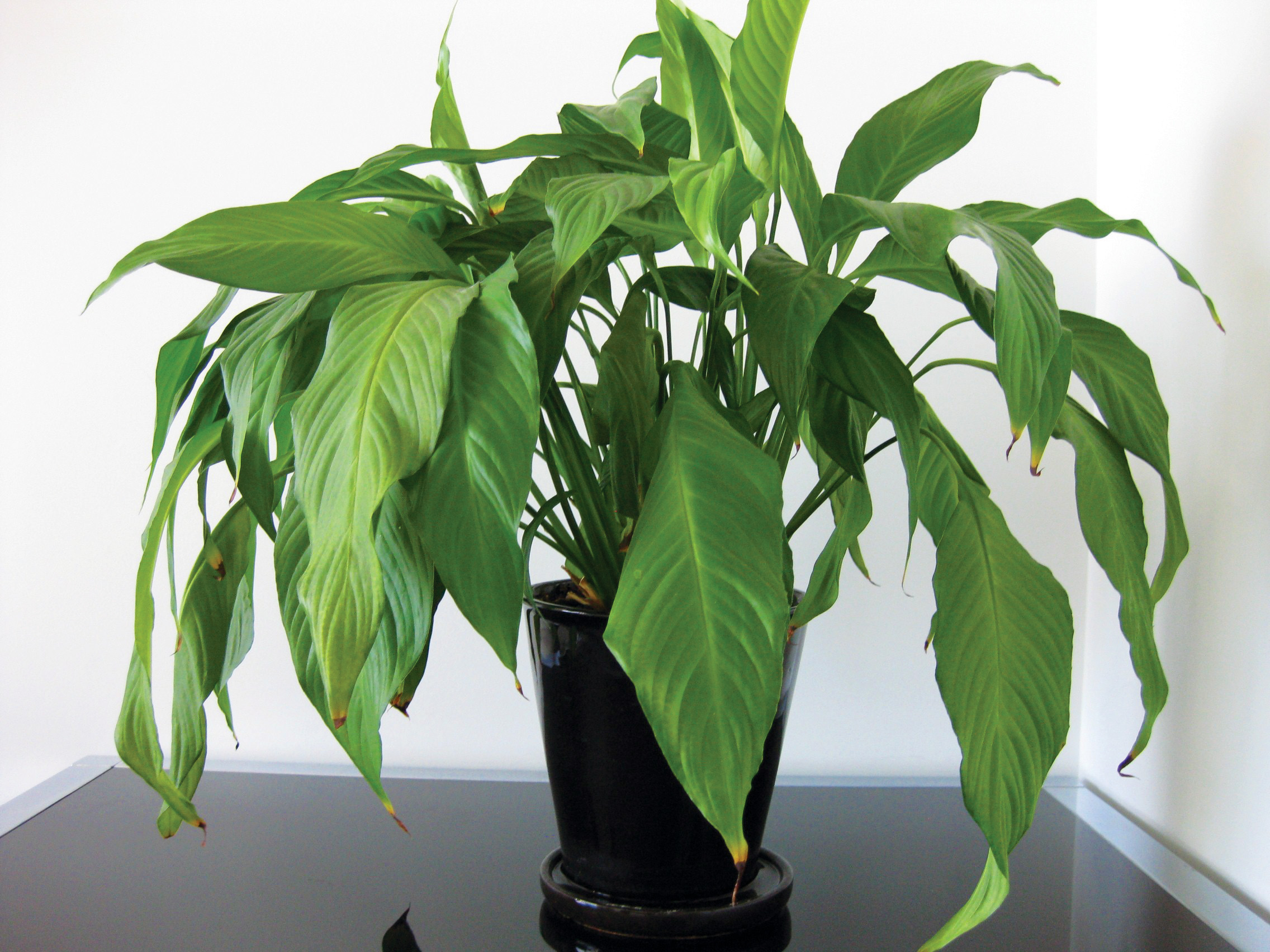 Research suggests that nature can have a positive effect on mood, but which aspects have the greatest influence? This study investigates the link between the living component of nature (as opposed to artificial nature) and restorative potential Research suggests that nature can have a positive effect on mood, but which aspects have the greatest influence? This study investigates the link between the living component of nature (as opposed to artificial nature) and restorative potential
Chloe Hamman, MA Science (Hons) BCA; Dr Linda Jones
In many cultures, both past and present, behaviour reflects a positive engagement with nature; from the ancient Greeks’ custom of protecting their sacred gardens, to the native American animistic practice of giving thanks to the trees, a preference for the world of nature has long been expressed through ritual, art and myth.1
For the full article, click here
New approaches to the creation of healthy environments
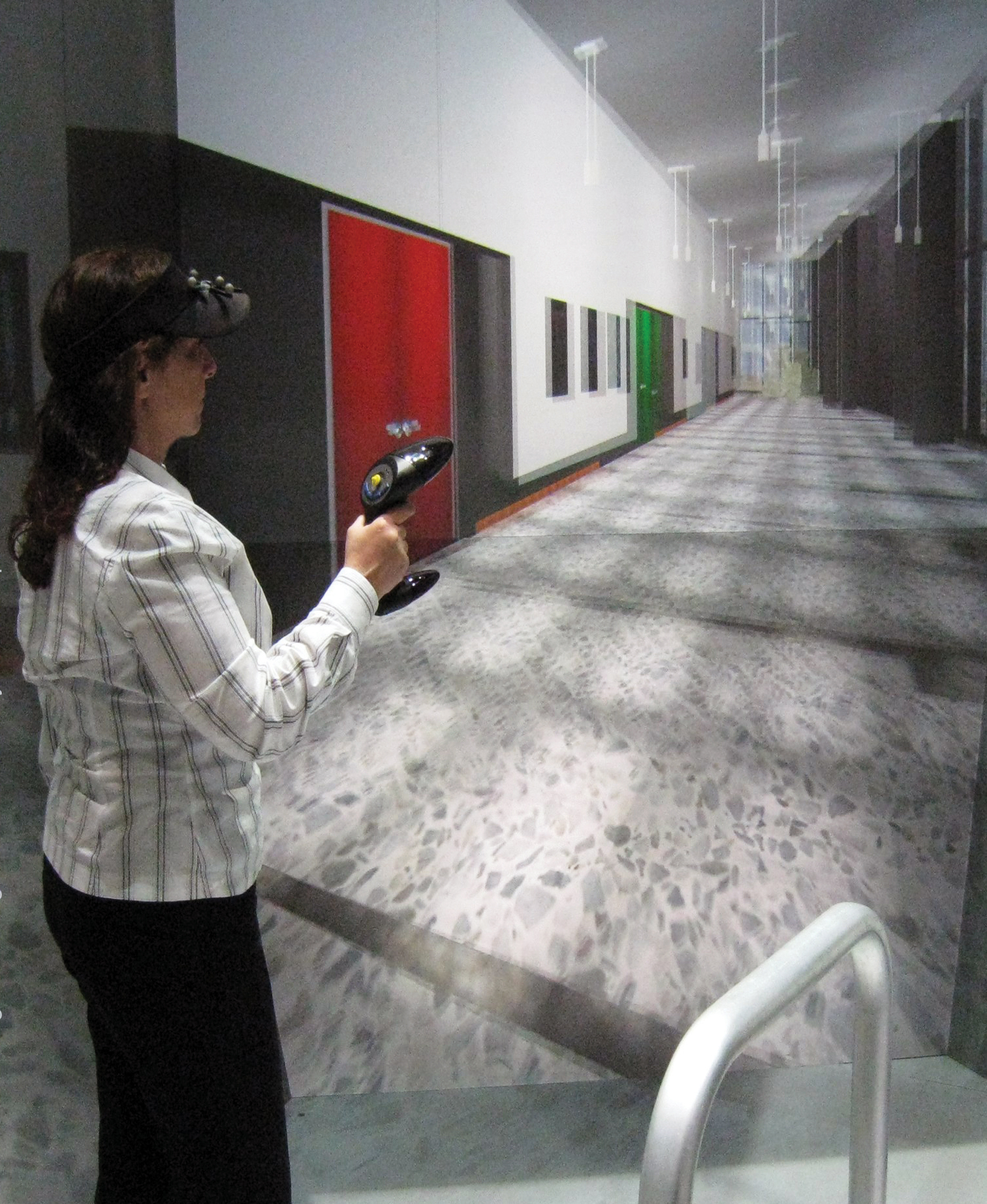 Technologies are emerging that can reveal the reactions of mind and body to specific features of the designed environment. This paper reviews a selection of these innovations, which can provide the means to conduct pre-design evaluations. Technologies are emerging that can reveal the reactions of mind and body to specific features of the designed environment. This paper reviews a selection of these innovations, which can provide the means to conduct pre-design evaluations.
Eve A Edelstein MArch PhD (Neuro) EDAC Assoc AIA F-AAA
The impact of building-design strategies on non-communicable disorders, unhealthy behaviour and global ecological conditions has recently been recognised in studies by the United Nations, the World Health Organization and the Institute of Medicine.
For the full article, click here
Transparency comes first
 This issue’s research articles raise three important questions for every design research study, This issue’s research articles raise three important questions for every design research study,
writes Dr John Zeisel.
The relevance and quality of the research methods employed; whether or not causality can be attributed to the environmental design characteristic in the environment-behavior equation; and how to formulate design guidelines that effectively reflect the research.
For the full article, click here
Patient Safety: Single-bed versus multi-bed hospital rooms
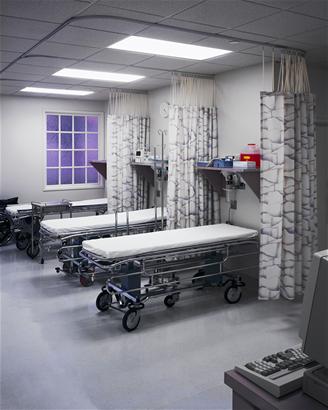 The UK’s National Patient Safety Agency and Arup have collaborated to research the relationship between patient safety and the provision of single-bed and multi-bed rooms. The UK’s National Patient Safety Agency and Arup have collaborated to research the relationship between patient safety and the provision of single-bed and multi-bed rooms.
Kate Fairhall, BSc (Hons), MSc; Laura Bache, BSc (Hons), MSc, MPhil; Peter Dodd, MBA, MAPM; Patricia Young
The issue of single-bed versus multibed rooms has been much debated over the last few decades. It is a debate that has been of both national and international interest and, increasingly, we are seeing a general trend towards the provision of single-bed rooms. Consistent with this, the NHS has recently advised that, in the UK, 50-100% of all patient rooms should be single occupancy in newly-built hospitals.
For the full article, click here
Elderly Care: Increasing outdoor usage in residential facilities
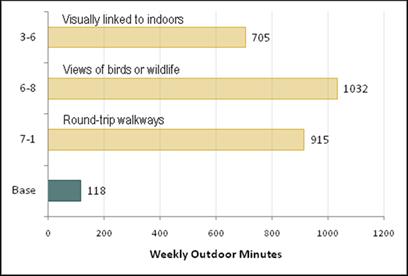 Well-designed outdoors environments can have a beneficial effect on the health of older adults in residential facilities by encouraging them to more spend time outdoors. Well-designed outdoors environments can have a beneficial effect on the health of older adults in residential facilities by encouraging them to more spend time outdoors.
Susan Rodiek, PhD, NCARB & Chanam Lee, PhD, MLA
The purpose of this study was to learn how the designed environment can encourage or discourage elderly residents from spending time outdoors in long-term care settings. The research was conducted at 68 randomly-selected assisted living facilities in three diverse climate regions of the US (Houston, Chicago and Seattle).
For the full article, click here
Design Quality Standards: Intangibles that bring hospitals to life
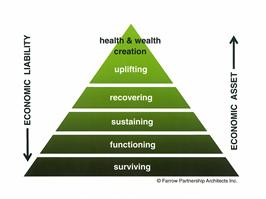 This research project assesses the effectiveness of a step-by-step model for developing site-specific, meaningful and measurable design quality standards, while creating supporters who were prepared to implement them. This research project assesses the effectiveness of a step-by-step model for developing site-specific, meaningful and measurable design quality standards, while creating supporters who were prepared to implement them.
Tye Farrow, BArch, MArch UD, OAA, MAIBC, NSAA, NAA, FRAIC; Sharon VanderKaay, BSc Design, ASID
For 25 years, the terms ‘patient focused care’ and ‘healing environment’ have been in common use by hospital administrators and healthcare design professionals. Despite efforts to provide psychosocially supportive settings, we continue to see spaces that demonstrate little empathy for the vulnerable state of patients, family and staff1.
For the full article, click here
The devil's in the detail
This issue’s articles demonstrate how evidence-based design can benefit from detailed analysis of design competition winners, environmental perception interviews, and research methods, writes Dr John Zeisel.
Cadenhead and Anderson study an overlooked source of design data – competition entries. The submissions included detailed descriptions of Intensive Care Units (ICU) in hospitals worldwide submitted over 17 years to a group of doctors, nurses, and architects. What a rich source of data!
For the full article, click here
Inpatient Units: Design characteristics of a successful flexible unit
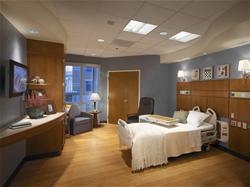 This study looks at flexibility in healthcare design from the perspective of the end user and how the physical design of a facility impacts on both staff and service delivery. This study looks at flexibility in healthcare design from the perspective of the end user and how the physical design of a facility impacts on both staff and service delivery.
Debajyoti Pati, PhD, FIIA, LEED AP, Thomas E Harvey Jr, AIA, MPH, FACHA, LEED AP
Flexibility in healthcare design is typically addressed from an architectural perspective without a systematic understanding of its meaning from the viewpoint of the end user. Moreover, the architectural perspective has generally focused on expandability and convertibility.
For the full article, click here
Dementia Care: Determining an Environmental Audit Tool for Dementia-specific research
 A critical examination of the validity of a range of auditing tools for their effectiveness in assessing the physical environment of dementia facilities. A critical examination of the validity of a range of auditing tools for their effectiveness in assessing the physical environment of dementia facilities.
Ian Forbes, Richard Fleming
This study was undertaken in parallel to a major dementia study and was used to determine the validity of a tool for auditing the physical environment in dementia facilities. The major research project is titled Person-centred Environment and Care for Residents with Dementia: a cost-effective way of improving quality of life and quality of care?
For the full article, click here
Critical Care Design: Trends in Award Winning Designs
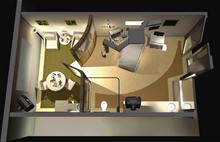 This study compares key trends in the design of the award-winning critical care units over the 17-year history of the annual Society of Critical Care Medicine design competition. This study compares key trends in the design of the award-winning critical care units over the 17-year history of the annual Society of Critical Care Medicine design competition.
Charles D Cadenhead, FAIA, FACHA and Diana Anderson, MD, MArch
The objective of this study was to discover the themes that correlate with therapeutic and supportive environments, as judged by physicians, nurses and architects. The rich information available from the annual Society of Critical Care Medicine (SCCM) design competition was used to perform a comparative data analysis.
For the full article, click here
Either/and Evidence-based Design
This issue’s research articles, which will all be presented at the Design & Health World Congress in Singapore in June, challenge designers to respond to multiple and non-parallel goals, bridging the research-design gap with clarity and careful methods, writes Dr John Zeisel.
For the full article, click here
Patient and Staff Environments: The impact of daylight and windows in ICUs
Access to windows and window views are particularly important in intensive care units where patients are more vulnerable and staff are likely to be more susceptible to stress
Dr Mardelle Shepley AIA, ACHA, LEED AP, Raymond Gerbi, Angela Watson AIA, Stephen Imgrund MD
When Concord Hospital in New Hampshire decided to replace its existing intensive care unit (ICU), a focus on both patient and staff needs was deemed essential. While patient requirements were typically recognised as a priority, staff needs were often poorly addressed. Based on the culture at Concord Hospital, the design team decided to support both patients and staff by creating access to daylight and views, not only from patient rooms but also from staff areas.
For the full article, click here
Sustainability and Evidence: The intersection of evidence-based design and sustainability
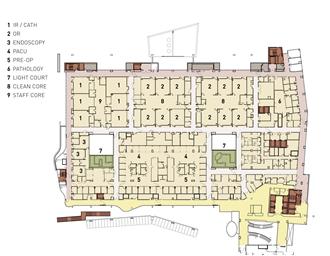 The application of sustainable design and evidence-based design strategies often seem to operate in isolation from each other. This study examines where they can, and should, intersect. The application of sustainable design and evidence-based design strategies often seem to operate in isolation from each other. This study examines where they can, and should, intersect.
Bill Rostenberg FAIA, FACHA, Mara Baum AIA, LEED AP, Dr Mardelle Shepley, AIA, ACHA, LEED AP, with Rachel Ginsberg, MLS.
Sustainable design and evidence-based design are each unique design approaches significantly impacting healthcare architecture today. Sustainable design promotes buildings that improve ecological health and indoor environmental quality, while evidence-based design advocates healthcare facilities which enable positive health outcomes through the application of best practice strategies informed by research and practical knowledge.
For the full article, click here
Through children's eyes: Understanding how to create supportive healthcare environments for children and adolescents
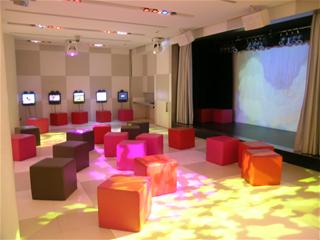 This study of children and adolescents in hospital identified a range of factors key to improving their experience in the healthcare environment. This study of children and adolescents in hospital identified a range of factors key to improving their experience in the healthcare environment.
Kate Bishop, PhD
Understanding children’s and young people’s experience of hospital environments and what constitutes their ideas of a supportive environment can only strengthen the capacity of designers, healthcare professionals and policy makers to create hospitals which support their needs. However the challenges of completing healthcare design research with children and adolescents in hospital environments means that not much of it exists.
For the full article, click here
Review: The value of critique
Post-occupancy evaluations (POE’s) come in many shapes and sizes. This issue features POE’s that differ in terms of subject; user groups; impacts on users; ambient conditions; and physical design elements, writes Dr Zeisel.
These differences reflect the backgrounds of the investigators, the intent of the investigations, and the intended audience. They also reflect the fact that, although the term and process has been in currency for some time, the field of environment-behaviour research is still ‘an emerging field’.
For the full article, click here
Working environments:
Operating room design and staff morale
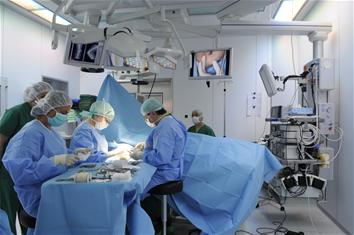 Surgical suites are costly and complex, with multiple needs. What can nurses’ own experience of their workplace do to make their design more conducive to staff wellbeing? Surgical suites are costly and complex, with multiple needs. What can nurses’ own experience of their workplace do to make their design more conducive to staff wellbeing?
Kamaree Berry PhD candidate (Murdoch), MEd Stds (Hons) (UWA), PGDip Nursing (clinical nursing) Perioperative, RN BN, MRCNA, MACORN, RAA
Healthcare in Australia is in a process of change, a transformation that is occurring at every level and in every profession. Simultaneously, the profile of nursing is diversifying due to the economic reality that always accompanies change. Nursing is a multifaceted profession, incorporating both the fundamental nursing skills as practised on the wards as well as the more technical skills found in critical care areas such as perioperative nursing. This specialised environment is a complex system, combining patients, personnel, technology and pharmacodynamics in a physical environment and producing highly specific outcomes.
For the full article, click here
Landscape Design: Patient-specific Healing Gardens
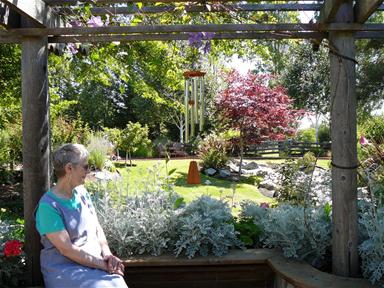 In the last two decades, gardens with therapeutic qualities have begun to appear in US and UK healthcare facilities. Now ‘healing gardens’ are being designed to support the treatment of patients with specific conditions. In the last two decades, gardens with therapeutic qualities have begun to appear in US and UK healthcare facilities. Now ‘healing gardens’ are being designed to support the treatment of patients with specific conditions.
Professor Emeritus Clare Cooper Marcus
The idea that nature has a soothing, restorative effect is nothing new. From medieval monastic infirmary gardens to the landscaped grounds of nineteenth-century mental asylums, enlightened carers have recognised that access to the outdoors has a salutary effect on a person’s mental and physical health. With the onset of modern medicine and its emphasis on treatment via surgery and drugs, this knowledge was lost or deemed ‘unscientific’. High-rise construction techniques created medical settings where patients were divorced from the outdoors.
For the full article, click here
Post-occupancy Evaluation:
Promoting Wellbeing in Palliative Care
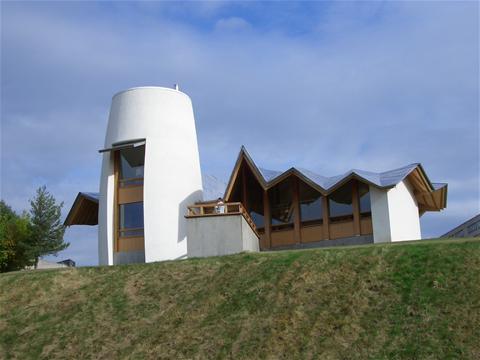 A post-occupancy evaluation of Maggie’s Centre in Dundee provided a valuable insight into the impact of the building’s design on user and visitor perceptions of their own wellbeing. A post-occupancy evaluation of Maggie’s Centre in Dundee provided a valuable insight into the impact of the building’s design on user and visitor perceptions of their own wellbeing.
Dr Fionn Stevenson; Prof Gerry Humphris; Lesley Howells
The Dundee Maggie’s Centre in Scotland, designed by Frank Gehry, opened its doors in 2003 to those diagnosed with cancer and seeking support. The fundamental remit of the Maggie’s Centres is to provide information and psychosocial support for carers and people with experience of cancer within a new healing typology.
For the full article, click here
Review: Awakenings
In our daily lives we are often so busy and preoccupied that we don't see obvious every day things in front of our eyes, comments Dr John Zeisel.
We pass a particular store and don't notice the shop window has been changed, and we sit in our favourite chair without noticing that it has been cleaned for the first time in years. These things passed unnoticed - until someone points them out!
For the full article, click here
Birthing Unit Design: Researching New Principles
 The Birthing Unit Design Guideline developed at the Sydney’s University of Technology creates a design tool that will help to optimise the birthing experience for both mothers and midwives. The Birthing Unit Design Guideline developed at the Sydney’s University of Technology creates a design tool that will help to optimise the birthing experience for both mothers and midwives.
Ian Forbes MSc (Health Service Planning and Administration), Grad Dip Bus Admin, BArch, FRAIA; Caroline Homer RM RN MN PhD; Maralyn Foureur RM RN BA, Grad Dip Clin Epidem & Biostats PhD; Nicky Leap DMid MSc RM
As part of an effort to modernise existing birthing facilities, many maternity units throughout Australia are currently being rebuilt or refurbished. However, in the state of New South Wales (NSW), a critical appraisal of the recently updated Department of Health Guidelines for Maternity Services revealed that they had failed to take into account a number of new developments in the area of ‘caring/healing’ architecture.
For the full article, click here
Designing Healthy Communities:
The Health Impact of Street Vendor Environments
 Dr Mary Anne Alabanza Akers and Timothy A Akers report the findings of a seven year study, which reveals how the informal architecture of the environments in which street vendors ply their wares in countries like the Philippines, impacts on their health. Dr Mary Anne Alabanza Akers and Timothy A Akers report the findings of a seven year study, which reveals how the informal architecture of the environments in which street vendors ply their wares in countries like the Philippines, impacts on their health.
Mary Anne Alabanza Akers PhD; Timothy Akers PhD
The built environment plays a powerful role in the health of a population. Its influence has been documented in numerous studies, ranging from urban sprawl and its impact on obesity, diabetes and poor nutrition to highway development and the increase in pedestrian injury, and the impact of nature deprivation on low mental health and well-being. However, many of the existing studies have not used comprehensive research designs and methods; they lack multiple study points in time; and they have not interviewed respondents in situ.
For the full article, click here
Perception and wellbeing: The impact of colour and light
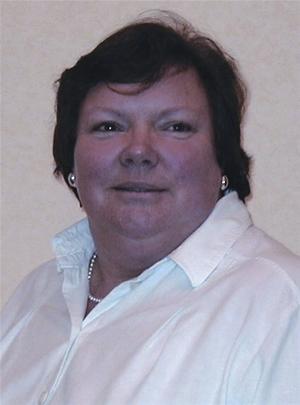 Dr Linda Jones and Dr Barbara Manighetti present the findings of two New Zealand studies explore how the built environment can impact on mood – one, the internal features of a dentist’s office, the other views from an office building. Dr Linda Jones and Dr Barbara Manighetti present the findings of two New Zealand studies explore how the built environment can impact on mood – one, the internal features of a dentist’s office, the other views from an office building.
Linda Jones PhD; Barbara Manighetti PhD
People who are not normally bothered by anxiety may feel stress and anxiety in specific environments, where they experience both a sensory insult and a loss of power to change or control the conditions. Some environmental stressors, such as noise, extremes of temperature or malodour, are well documented. But negative emotional responses can also be learned – in hospitals or dentists’ rooms, for example.
For the full article, click here
Review: Stalactites and stalagmites
Research and design collaboration requires two separate and equal approaches to successfully bridge the perennial gap between the two, writes Dr John Zeisel.
This issue’s articles represent these two approaches – theoretical and applied. One is top-down like stalactites and the other is bottom-up like stalagmites. Eventually they meet in the middle and form a firm basis for designers, researcher, their clients and the users of their buildings and open spaces to make informed decisions.
For the full article, click here
Psychosocially Supportive Design: A Salutogenic Approach
 While clinical practice focuses on treating illness, there’s also a raft of research to suggest that the quality of our everyday surroundings has a highly important role to play in sustaining wellness. While clinical practice focuses on treating illness, there’s also a raft of research to suggest that the quality of our everyday surroundings has a highly important role to play in sustaining wellness.
Prof Alan Dilani, PhD
Architecture and design have been influenced by industrial societies for decades, and as a result, public buildings such as airports and hospitals have often been designed to function and look like factories. Clinical practice in hospitals focuses mainly on treating illness while often neglecting a patient’s psychological, social and spiritual needs. Environmental qualities that could be considered as psychosocially supportive have not been developed properly. Psychosocially supportive design stimulates and engages people, both mentally and socially, and supports an individual’s sense of coherence.
For the full article, click here
Process management: Bridging the Gap Between Research and Design
 First there was evidence-based medicine – and now evidence-based design applies the same empirical approach to buildings. Dr Jacqueline C Vischer and Dr John Zeisel enquire how scientific methods are being used to guide design decisions? First there was evidence-based medicine – and now evidence-based design applies the same empirical approach to buildings. Dr Jacqueline C Vischer and Dr John Zeisel enquire how scientific methods are being used to guide design decisions?
Jacqueline C Vischer; John Zeisel
Evidence-based design (EBD) has taken over the imagination of the design community. Conferences and seminars in the UK and in North America increasingly include papers on what it is, how it’s done and why it’s needed.
For the full article, click here
Lighting Design: Creating a Less Intimidating Hospital Experience
 Light isn’t just for seeing what’s in front of us – it provokes an emotional response, too. Sjef Cornelissen and Martine Knoop present research from the Netherlands, which explores how lighting can reduce patient anxiety and increase staff wellbeing. Light isn’t just for seeing what’s in front of us – it provokes an emotional response, too. Sjef Cornelissen and Martine Knoop present research from the Netherlands, which explores how lighting can reduce patient anxiety and increase staff wellbeing.
Sjef Cornelissen; Martine Knoop
In the design of healthcare facilities, medical professionals and architects are increasingly realising the importance of creating a ‘healing environment’ that addresses the totality of patient and staff needs. This more holistic approach is driven by the recognition that a patient’s perception of the physical environment in a hospital can affect his or her sense of wellbeing and, potentially, health. In an effort to create this environment in modern hospitals, considerable attention is paid to detail, colour, form, light and shade. Factors such as fresh air, light and peaceful surroundings are key design drivers.
For the full article, click here
Review: The Challenge of Complexity
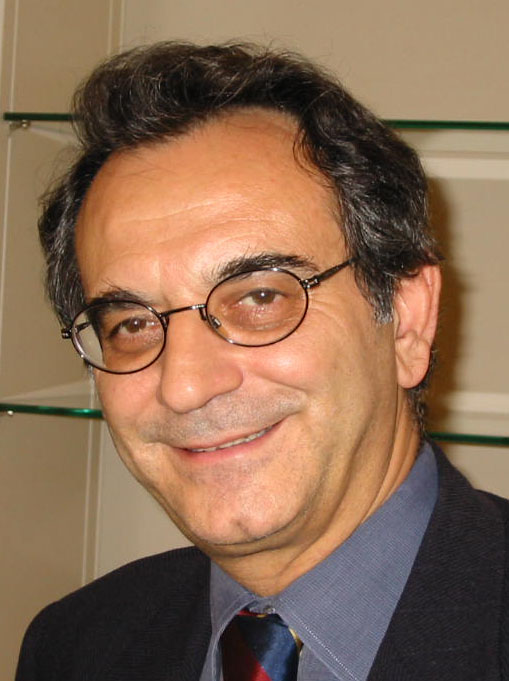 Human health is significantly related to the designed environment. The research activities promoted by the International Academy for Design & Health are founded on this assumption, explains joint chairs of its scientific committee, Dr John Zeisel and Dr Romano Del Nord. Human health is significantly related to the designed environment. The research activities promoted by the International Academy for Design & Health are founded on this assumption, explains joint chairs of its scientific committee, Dr John Zeisel and Dr Romano Del Nord.
Our mission is to spread this awareness and promote health through well designed environments. As members of the scientific committee, we want to emphasise the importance of integrating scientific research evidence in the design process, both in pre-design programming and in post-occupancy evaluation.
For the full article, click here
Patient Safety: We Shape Our Buildings, Then They Kill Us
 The physical environment is a key component of a systemic approach to meeting the cultural challenge of patient safety in modern healthcare design. Dr Paul Barach and Ken Dickerman examine why healthcare buildings contribute to the error pandemic. The physical environment is a key component of a systemic approach to meeting the cultural challenge of patient safety in modern healthcare design. Dr Paul Barach and Ken Dickerman examine why healthcare buildings contribute to the error pandemic.
Dr Paul Barach MD, MPH; Kenneth N Dickerman ACHA, AIA, FHFI, National Resource Architect, Leo A Daly Company
Hospitals are complex. The physical environment in which that complexity exists has a significant impact on health and safety. However, enhancing patient safety or improving quality has not been integrated into aspects of the design of hospital buildings. Despite recent discussions in architectural literature regarding design of ‘patient-centred’ healthcare facilities and ‘evidence-based design’, there has been little assessment of the impact of the built environment on patient outcomes. Studies have focused primarily on the effects of light, colour, views, and noise, yet there are many more considerations in facility planning that can influence the safety and quality of care.
For the full article, click here
The Effects of Colour and Light on Health: Trans-disciplinary Research Results
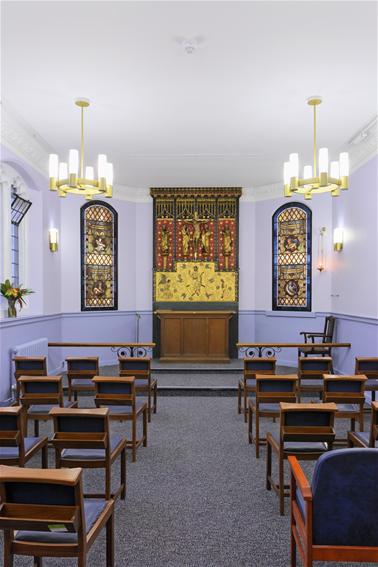 A Latrobe Fellowship research team explores the value of a collaborative approach to evidence-based design through a pilot study of the effect of colour and lighting on patient well-being. A Latrobe Fellowship research team explores the value of a collaborative approach to evidence-based design through a pilot study of the effect of colour and lighting on patient well-being.
Eve A Edelstein PhD; Steven Doctors; Robert Brandt; Barbara Denton; Galen Cranz PhD; Robert Mangal PhD; W Mike Martin PhD; Gordon H Chong
The College of Fellows of the American Institute of Architects (AIA) awarded the 2005-2007 Latrobe Fellowship to a consortium formed by Chong Partners Architecture, Kaiser Foundation Health Plan and the University of California, Berkeley, in order to further research of relevance to architecture within healthcare settings.
For the full article, click here
Palliative Care Unit Design: Patient and Family Preferences
 Diana Anderson's qualitative study reveals that a desire to choose levels of privacy and control their environment characterises patient and family preferences in the design of palliative care units. Diana Anderson's qualitative study reveals that a desire to choose levels of privacy and control their environment characterises patient and family preferences in the design of palliative care units.
Diana Anderson BSc (Arch), MArch
Healthcare design is a growing field of study demonstrating the impact of the built environment on health and health outcomes. The notion of evidence-based design "borrows from work done in evidence-based medicine to carefully observe, quantify and analyse the way people use buildings" and is increasingly sought after since a lack of published data exists, especially in Canada.
For the full article, click here
|

1.1.jpg)



|