Honesty in Design
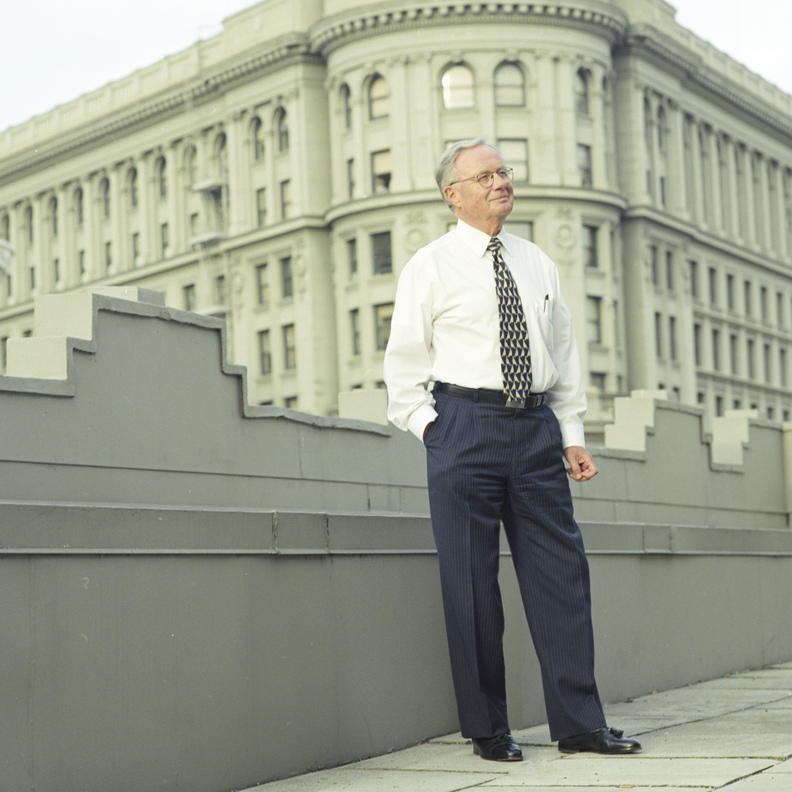 Derek Parker introduces a project report on the design of children’s hospitals. Derek Parker introduces a project report on the design of children’s hospitals.
Health is the first liberty, said American philosopher John Dewey. Healthy children can be educated – and healthy, educated children are the foundation of a civilization, and its future.
At Anshen+Allen, we have learned a lot since the design of our first children’s hospital, Lucile Packard Hospital for Children at Stanford University, 20 years ago, and we continue to benchmark and research excellence in pediatric design.
My colleague Felicia Borkovi founded The Children’s Hospital Explorers (CHEX) to encourage a multi-disciplinary discussion about the design of the built environment for sick children and their families. We want to understand more about the link between facility design and quality improvements for pediatric patients, families and staff.
We have learned the importance of honesty in design; design which does not deceive, no matter how well intentioned. Children’s’ hospitals are not theme parks. Children are in the hospital not because they want to be there but because they need to be there.
We have also learned about designs that express humanity. For instance, well-designed places feel right, and that spills over to the staff, the body language, the voices and the vase of flowers – magic can happen in places like that. Designs should express confidence. These buildings are places for serious medicine, and children and families can pick up the clues about quality of care and safety from the torrent of clues presented by the physical environment.
Another colleague, Annie Coull, has described the need for a holistic experience for hospitalised children and their families. The best design response recognises the dualities inherent in these defi ning human events, and addresses them in a way that allows people to have authentic experiences in environments that accommodate: diversion and contemplation; stimulus and solitude; universality and uniqueness; exploration and refl ection; observation and privacy; access and security.
We believe children’s hospitals should be non-trendy, timeless, and caring and supportive of the individual child/family. Their environment should be safe and secure, and be a backdrop for varying ages and cultures. It should not only allow children to arrange their space to suit their individual needs, but it should be designed to encourage it.
Our work has to be based on research that utilises the best evidence regarding light, sound, art, air quality, colour and nature. The Center for Health Design and NACHRI (National Association of Children’s Hospitals and Related Institutions) have come together to launch an initiative, Transformation by Design, to explore the state of evidence-based design in children’s hospitals that will lead to better health outcomes and a higher quality of care for children.
There is, however, much still to learn. We have, therefore, committed substantial resources to continued research, to CHEX, and to active participation in the work of the new collaborative partnership between The Center for Health Design and NACHRI.
Designing for sick children to provide healing, to aid their recovery to health, and to return them whole to their families, is, I believe, the highest calling for an architect.
Author: Derek Parker FAIA, FACHA, RIBA is chairman of Anshen+Allen
|

1.1.jpg)




|